


MASX WORLD
3 Things About Greece That Surprise Almost Every Tourist (In the Best Way)
Greece is famous for its islands, ancient ruins, and incredible food — but beyond the postcard views, there are small everyday habits that truly surprise visitors.
They’re not written in guidebooks.They’re not obvious at first glance.But once you notice them, they make Greece feel warm, human, and unforgettable.
Here are three Greek customs that often surprise tourists — and why travelers end up loving them.
1. A Sweet Surprise: “On the House” Is Truly On the House
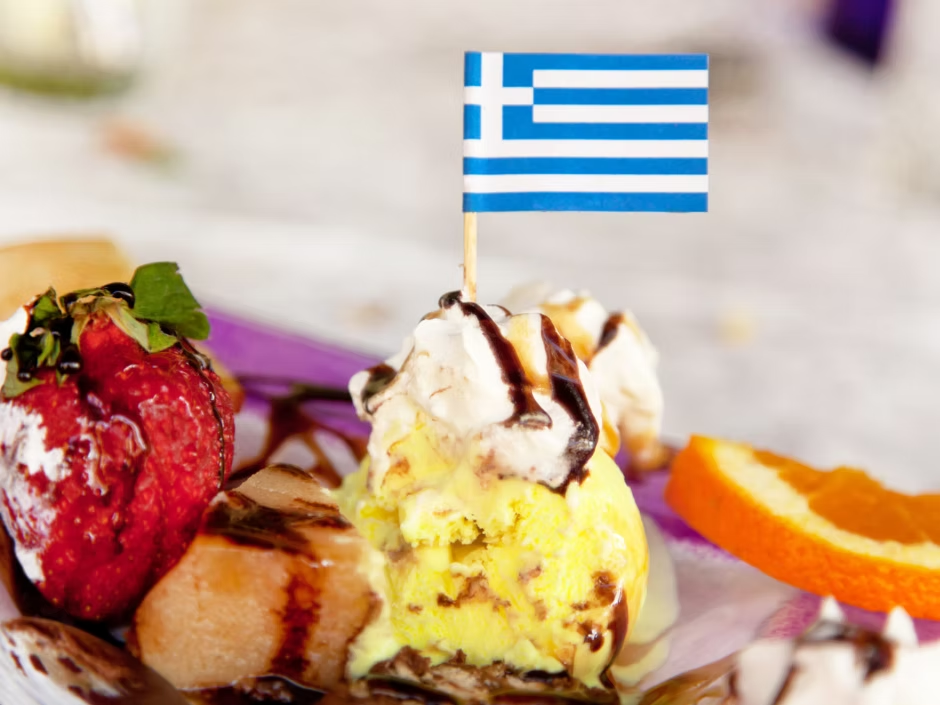
You finish your meal at a Greek taverna, ask for the bill…And suddenly, the waiter brings a small plate of fruit, a slice of cake, yogurt with honey, or even a tiny drink—for free.
No catch. No extra charge.Just a quiet “thank you.”
Why Greeks do this
In Greece, hospitality (filoxenia) is taken seriously. Offering something extra at the end of a meal is a way of saying:
“Thank you for coming. We’re glad you were here.”
It’s not about marketing or tipping culture — it’s about human connection.
Why travelers love it
- It feels personal and generous
- It turns a meal into a memory
- It makes even a simple dinner feel special
Many visitors say this small gesture is one of their favorite parts of traveling in Greece.
2. Queues… But Make Them Greek
In many Greek cafés, bakeries, and bars, you might notice something unusual:There’s no clear line.
Instead, people use a casual “counter presence” system.
You might see:
- A hand resting on the counter
- A wallet placed down
- A bag gently marking a spot
It looks chaotic at first—but somehow, it works.
How it actually functions
- Everyone quietly remembers who arrived first
- The staff usually knows the order
- People respect each other’s turn
It’s informal, flexible, and surprisingly fair.
Traveler tip
Don’t push forward aggressively—and don’t panic.Just make your presence clear, wait calmly, and trust the system.
It’s one of those moments where Greece teaches you:Relax. Things will work out.
3. High Fives? Not So Friendly in Greece
Here’s a cultural surprise that catches many tourists off guard:High fives can feel rude or awkward in Greece, especially with strangers or in casual interactions.
Why?
Open-palm gestures have different meanings across cultures. In Greece, an open hand facing someone (moutza) has historically been used as an insult.
While a modern high five among close friends isn’t a huge offense, using it casually—especially with locals you don’t know—can feel uncomfortable.
What to do instead
- A smile
- A nod
- A verbal “ευχαριστώ” (thank you)
- A friendly wave
Greeks are warm and expressive—but gestures matter.
What These Surprises Say About Greek Culture
All three of these habits share something deeper:
- Hospitality over efficiency
- Human warmth over rigid rules
- Respect expressed through subtle actions
Greece isn’t about perfection—it’s about connection.
Once travelers understand these small cultural details, they often feel less like tourists and more like guests.
It’s not just the islands or ancient temples that make Greece special—it’s these everyday moments:
- A free dessert after dinner
- An unspoken system that somehow works
- A reminder that gestures carry meaning
If you’re visiting Greece, notice the little things.They might surprise you—but they’ll stay with you long after the trip ends.
If you love Greece and think you know the world well, try our Quiz Passport – Know Before You Go series on YouTube!
Fun, fast quizzes that test your travel knowledge!
🕒 New Episodes Every Friday at 9AM Eastern Standard Time (EST)
🌏 Subscribe & Travel Through Knowledge → https://www.youtube.com/@masxworld