top of page

After Midnight in Seoul: Why Karaoke Is Where Korea Finally Breathes

  • MASX
  • 1 day ago
  • 2 min read

By day, South Korea moves with precision.


Subways arrive on time. Offices hum with focus. Students move between classrooms and academies with quiet determination. Meetings run long. Expectations run higher.


It’s a country known for discipline, speed, and relentless work ethic.


But when night falls, something shifts.


And behind unmarked doors with glowing signs, Korea exhales.


Welcome to noraebang — Korea’s karaoke culture.
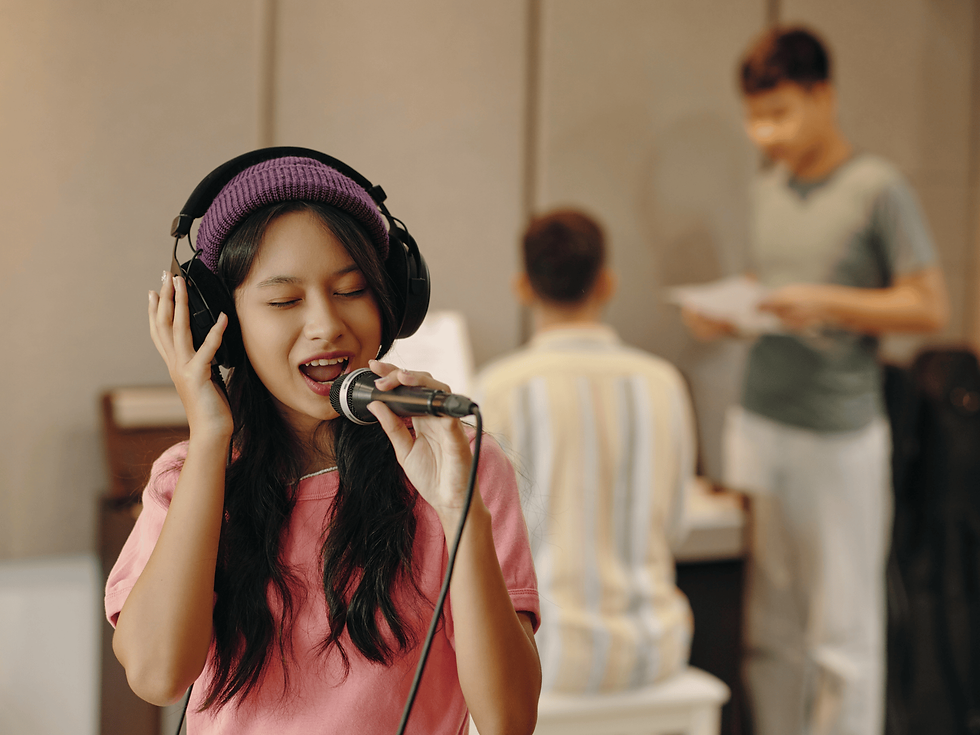

Karaoke Culture in Korea

More Than Karaoke


On the surface, noraebang simply means “singing room.”


Private rooms. Bright screens. Microphones. Remote controls. Snacks on the table. Neon lights overhead.


But it isn’t just entertainment.


It’s emotional release.


After a long workday, coworkers often move together from dinner to drinks — and then to noraebang. The room becomes a temporary world without hierarchy.


The quiet intern belts out a power ballad.The reserved manager grabs the mic and laughs through a dance song.The friend who never speaks about feelings suddenly sings them.


For a few hours, titles fade.


And people return to themselves.


A Safe Space to Be Loud


Korean society values respect, structure, and social awareness.


Noraebang is one of the few spaces where those rules soften.


Inside the room, you can:


  • Sing badly without embarrassment

  • Choose emotional breakup songs

  • Scream lyrics you’d never say aloud

  • Dance without performance


The room is private.


The walls are soundproof.


It’s a space designed for vulnerability — disguised as fun.


Why It Matters


To outsiders, karaoke can seem playful.


To locals, it’s survival.


In a society where academic pressure starts young and workdays often stretch late, noraebang becomes a release valve.


It’s where stress dissolves.

Where friendships deepen.

Where suppressed emotion finds melody.


It’s not uncommon to see people leave laughing — or sometimes quietly reflective.


Music carries what words cannot.


The Ritual of the Night


A typical evening might unfold like this:


Dinner with colleagues.

Drinks at a local bar.

Then someone says, “Let’s go sing.”


No one questions it.


The room fills with flashing lights. The remote scrolls through thousands of songs — K-pop, American hits, nostalgic ballads.


Each song is chosen carefully.


Some are inside jokes.

Some are coded messages.

Some are pure catharsis.


And by the time the final chorus fades, the workday has loosened its grip.


What Travelers Should Know


If you visit South Korea, don’t treat noraebang as a novelty.


Go with locals if you can.

Choose a song that means something to you.

Let yourself sing imperfectly.


You don’t need a good voice.


You need honesty.


Because the real experience isn’t about performance.


It’s about permission — permission to feel something fully in a culture that often demands composure.


After the Song Ends


When people step back onto the quiet Seoul streets after midnight, something feels lighter.


The city still glows.

The trains still run.

The next morning will come.


But for a few hours, behind closed doors, Korea allowed itself to be unguarded.


That’s the version of a country most tourists never see.


And maybe that’s the version worth traveling for.


LIVE ULTIMATE XPERIENCES (L.U.X.) IN SOUTH KOREA!

Please book your next vacation here: South Korea: Mind, Body & Seoul

Comments

Rated 0 out of 5 stars.
No ratings yet

Add a rating
bottom of page