

MASX WORLD
Dongzhi Festival in China: The Winter Solstice That Celebrates Warmth, Family, and Renewal
As winter deepens in China, there is one special day that carries profound cultural meaning: Dongzhi (冬至), the Winter Solstice Festival. While it may not be as internationally famous as Chinese New Year, Dongzhi is one of the most important traditional festivals in Chinese culture—centered on family, balance, and the return of light.
Often described as a day when winter reaches its peak and spring quietly begins, Dongzhi is a celebration of warmth in the coldest season.

What Is Dongzhi Festival?
Dongzhi (冬至) literally means “the extreme of winter.” It marks the shortest day and longest night of the year, usually falling on December 21 or 22.
In traditional Chinese philosophy, this moment represents a turning point:
- Yin (cold, darkness) reaches its maximum
- Yang (light, warmth) begins to grow again
In other words, Dongzhi symbolizes renewal, hope, and balance.
Why Dongzhi Is So Important in Chinese Culture
Dongzhi dates back more than 2,000 years and is deeply rooted in yin-yang philosophy and traditional Chinese cosmology.
Ancient Chinese believed:
- After Dongzhi, days grow longer
- Energy slowly returns to the world
- The body needs warmth and nourishment
This is why Dongzhi is not just seasonal — it’s spiritual and physical.
Dongzhi Food Traditions: What People Eat
Food is at the heart of Dongzhi, and what you eat often depends on where you are in China.
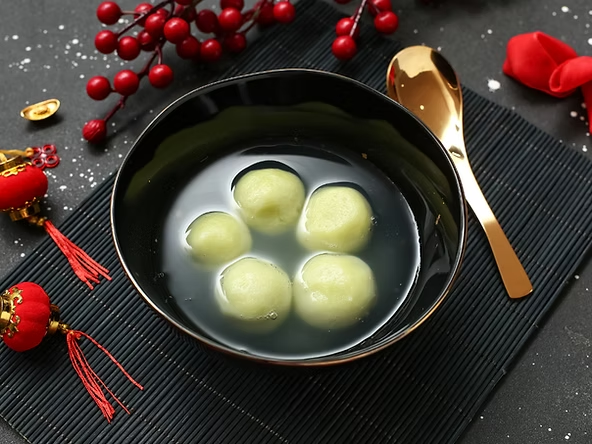
Tangyuan (汤圆) – Southern China
- Glutinous rice balls filled with sesame or peanut paste
- Served in warm, sweet soup
- Symbolize family unity and togetherness
Eating tangyuan means “getting one year older” in some traditions.
Dumplings (饺子) – Northern China
- Dumplings are believed to protect ears from frostbite
- A tradition linked to ancient Chinese medicine
- Often eaten with family at home
Both dishes focus on warmth, comfort, and connection.
Dongzhi Is a Family-Centered Festival
Like many Chinese festivals, Dongzhi emphasizes family reunion.
On Dongzhi:
- Families gather for meals
- Elders are honored
- People check on each other’s health
- Warmth and care are shared
There’s a saying in China:“Dongzhi is as important as the New Year.”
Health, Balance, and Traditional Beliefs
Dongzhi is closely tied to Traditional Chinese Medicine (TCM).
People believe this is the time to:
- Eat warming foods
- Rest more
- Strengthen the body
- Prepare for the coming year
Popular Dongzhi foods include lamb, ginger, red dates, and herbal soups.
How Dongzhi Is Celebrated Today
Modern Dongzhi celebrations are quieter than big festivals, but still meaningful.
Today, people may:
- Share Dongzhi meals with family
- Send “Happy Dongzhi” messages
- Visit elders
- Eat tangyuan or dumplings with coworkers
Even in busy cities, Dongzhi remains a gentle reminder to slow down and reconnect.
Why Dongzhi Matters to Travelers and Culture Lovers
For travelers in China, experiencing Dongzhi offers insight into:
- Chinese values of balance and harmony
- Seasonal living
- The importance of food and family
- How ancient traditions still shape modern life
It’s not a loud festival—but it’s a deeply emotional one.
Dongzhi is a celebration of quiet strength. It teaches that even in the darkest, coldest moment, light is already returning. Through warm food, family gatherings, and ancient wisdom, Dongzhi reminds people to care for their bodies, cherish their loved ones, and trust the natural cycle of life.
If you ever find yourself in China in late December, don’t just notice the cold — taste it, feel it, and understand it through Dongzhi.
LIVE ULTIMATE XPERIENCES (L.U.X.) IN CHINA!
Go visit our website! China: MYSTIQUE AND INTRIGUE