



MASX WORLD
Night-Focused Tourism (Noctourism): Why Travelers Are Exploring the World After Dark
Travel no longer ends at sunset. Around the world, a growing number of travelers are planning trips specifically around nighttime experiences — a trend known as noctourism, or night-focused tourism.
From moonlit city walks and lantern festivals to desert stargazing and midnight museum openings, traveling after dark is becoming a meaningful way to experience destinations differently.

What Is Noctourism?
Noctourism refers to travel experiences designed to take place at night, when cities, landscapes, and cultural sites reveal a quieter, often more atmospheric side.
Popular noctourism experiences include:
- Night city tours and walking routes
- Lantern and light festivals
- Stargazing and dark-sky reserves
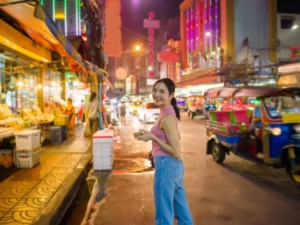
- Night markets and food streets
- After-hours museum or monument visits
Rather than being an extension of daytime sightseeing, noctourism treats the night as the main attraction.
Why Noctourism Is Gaining Popularity
Several global shifts are driving interest in nighttime travel.
First, travelers are seeking unique, less crowded experiences. Popular destinations can feel overwhelming during the day, but at night they often slow down, creating space for reflection and discovery.
Second, climate plays a role. In warmer regions, nighttime travel offers cooler temperatures and a more comfortable pace, making evening exploration more appealing than daytime sightseeing.
Finally, there’s a growing desire for sensory and emotional experiences — quiet streets, glowing lights, cooler air, and deeper focus. Night travel naturally supports this slower, more immersive style.
Cities After Dark: A Different Personality
Many cities transform completely at night. Historic streets feel more intimate, landmarks are dramatically lit, and everyday noise fades.
Night tours often highlight:
- Stories and history overlooked during the day
- Architecture through lighting and shadow
- Local life, rather than tourist crowds
For travelers, this can create a stronger emotional connection to a place.
Festivals, Stars, and Natural Darkness
Noctourism isn’t limited to cities. Nature-based night travel is also growing, especially stargazing tourism. As light pollution increases globally, destinations with dark skies are becoming valuable travel experiences in their own right.
Lantern festivals, bioluminescent beaches, and nighttime wildlife tours offer moments that simply can’t exist in daylight.
A More Sustainable Way to Travel
Noctourism can also support sustainable tourism. By spreading activity beyond peak daytime hours, destinations can reduce overcrowding and pressure on infrastructure.
For travelers, it encourages:
- Slower pacing
- Longer stays
- Deeper engagement with local culture
Rather than seeing more places, noctourism invites travelers to see places differently.
What This Means for Travelers
Night-focused tourism reflects a broader shift in how people travel. Instead of chasing landmarks, travelers are chasing atmosphere, mood, and meaning.
If you’re planning a trip, consider leaving space for the night — not just for dining or entertainment, but for discovery. Some of the most memorable moments happen when the day ends.
Noctourism reminds us that travel doesn’t stop after dark. Sometimes, that’s when it truly begins.