


MASX WORLD
Why Koreans Ask Your Age First: A Fun Guide to Age Culture in South Korea
If you’ve ever met someone in South Korea and been asked “How old are you?” within minutes, don’t be surprised — and don’t take it personally.
In Korea, asking someone’s age isn’t rude. It’s actually polite, practical, and necessary.
Age plays a huge role in Korean society, shaping how people speak, behave, and even drink together. Understanding this cultural detail can make your time in Korea much smoother — and way more fun.
Let’s break it down.

Why Age Is So Important in Korean Culture
South Korea is deeply influenced by Confucian values, which emphasize respect for elders, social harmony, and clearly defined relationships.
Knowing someone’s age helps Koreans understand:
- How to speak to you
- How formal to be
- What level of respect to show
- What social customs apply
So when Koreans ask your age early on, they’re not being nosy — they’re trying to treat you correctly.
Age Determines How You Speak
Korean language has multiple speech levels, and age plays a key role in choosing the right one.
If the person is older
- You use polite or formal language (jondaemal)
- You avoid slang
- You show respect in tone and body language
If the person is younger
- You can use casual language (banmal)
- Conversations feel more relaxed
That’s why age often comes up before names — it helps set the right tone immediately.
Drinking Etiquette: Yes, Even Alcohol Has Rules
Drinking culture in Korea is fun — but it comes with age-based etiquette.
If you’re drinking with someone older:
- Turn your head slightly away when taking a sip
- Cover your glass with your hand
- Let the older person pour drinks first
- Use both hands when receiving a drink
These gestures show respect — and locals truly appreciate it when visitors know them.
Age Shapes Social Behavior Too
Age influences many everyday interactions, such as:
- Who pays the bill
- Who leads conversations
- Who initiates toasts
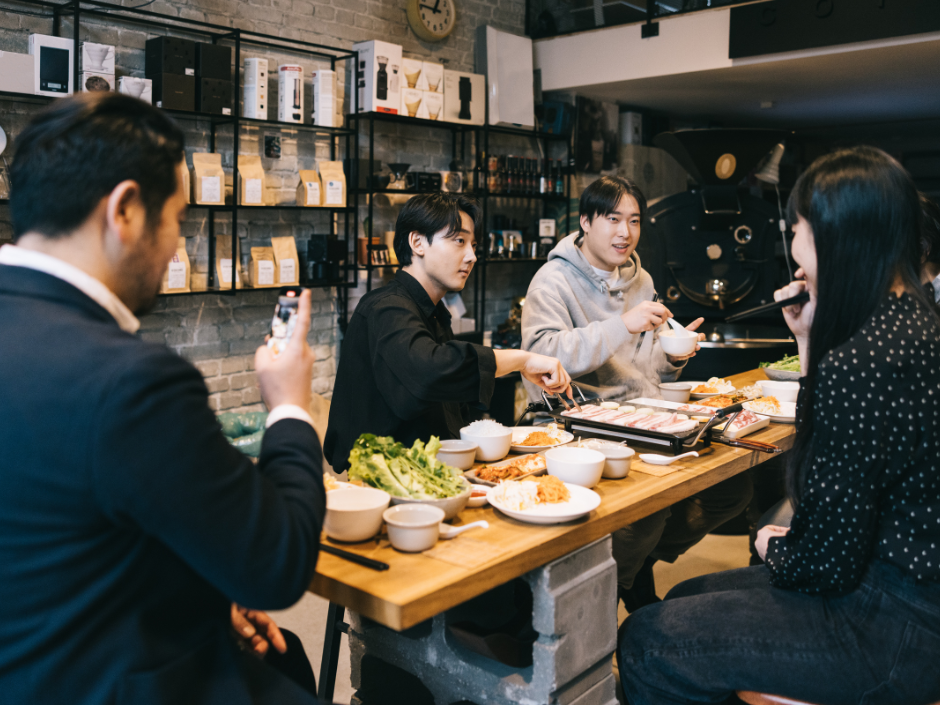
- Seating order at meals
Often, the oldest person naturally takes the lead — not by force, but by social agreement.
Is It Awkward? At First. Is It Fun? Definitely.
For visitors, Korea’s age culture can feel strange at first — but it’s also charming.
Once age is established:
- Conversations become smoother
- Social roles are clear
- Friendships form quickly
Many travelers find it refreshing because expectations are clear — no guessing, no awkwardness.
Modern Korea Is Relaxed — But Respect Still Matters
Younger generations in Korea are more flexible, especially with foreigners. Not everyone follows every rule strictly anymore.
But showing basic awareness of age culture — even just turning your head while drinking — earns instant respect and smiles.
It’s less about perfection and more about intention.
In South Korea, age isn’t just a number — it’s a social guide. It helps people communicate better, show respect, and keep harmony in relationships.
So next time someone in Korea asks your age, smile — they’re not judging you.They’re welcoming you into a culture where respect is woven into everyday life.
And honestly? Once you get used to it, it’s kind of beautiful.
If you love South Korea and think you know it well, try our “10 South Korea Travel Questions Most Tourists Get Wrong | Quiz Passport Flight QP-005 🇰🇷” on YouTube! Fun, fast quizzes that test your travel knowledge!
🕒 New Episodes Every Saturday at 9AM Eastern Standard Time (EST)
🌏 Subscribe & Travel Through Knowledge →https://www.youtube.com/@masxworld